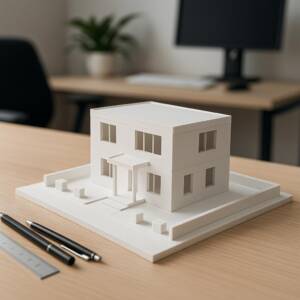
Foam board is valued for its adaptability, professional appearance, and cost-effectiveness. Below is a detailed look at its most popular applications:
Indoor Signage and Posters
Foam boards are widely used for indoor signs in retail stores, offices, schools, and exhibitions. The material accepts digital printing, painting, and vinyl graphics easily, producing vivid colours, crisp lettering, and a professional finish. It is strong enough to hold its shape, yet light enough to mount on almost any wall surface.

Exhibition and Display Panels
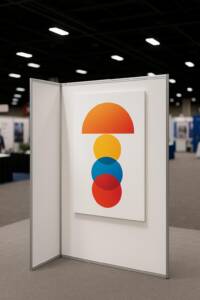
In trade shows, conferences, and promotional events, foam boards are the go-to choice for temporary displays and backdrops. They can be cut to size, layered for extra thickness, or laminated with graphics, providing a polished look that draws attention without the weight and expense of heavier materials. Their portability means exhibitors can set up and dismantle displays quickly.
Photography and Artwork Mounting
Foam board is highly favoured by photographers, galleries, and artists for mounting prints and artwork. Its rigid yet lightweight structure keeps images flat and free from wrinkles, while the smooth surface enhances the sharpness of printed images. Whether used for framing, portfolio presentations, or exhibitions, foam board ensures a clean, professional finish.

Point-of-Sale Displays
Retailers make extensive use of foam boards for promotional signs, shelf talkers, and product stands. Because the boards are low-cost but look premium, they are ideal for marketing campaigns, seasonal promotions, and price boards at checkout counters. Foam boards also allow custom cutting, enabling the creation of unique shapes that stand out and attract customer attention.

Craft and Creative Projects
Foam board is an essential material for schools, hobbyists, and makers. It is easy to cut with basic tools, making it perfect for crafts, DIY projects, and classroom displays. Students often use foam boards for presentation models, while crafters use them for decorations, collages, and personalised gifts. Their affordability means creativity isn’t limited by cost.

Architectural Models and Prototyping
Architects and product designers rely on foam board for scale models and prototypes. Its smooth surface allows for precise cutting and detailing, while its light weight makes models easy to transport and present. Foam board is often combined with acrylic and ACM panels in professional presentations to simulate glass, walls, and structural details in a cost-effective way.